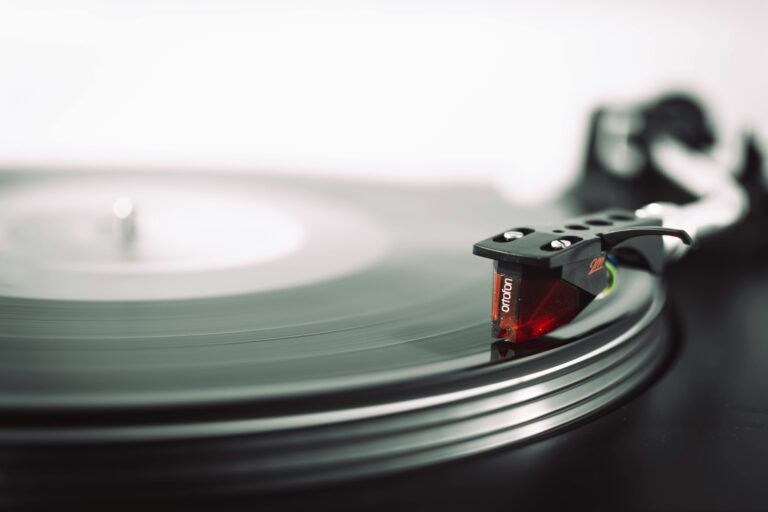
In a world dominated by digital streams and downloadable content, the resurgence of vinyl records stands as a testament to the enduring allure of analogue audio. The history of vinyl records is a fascinating journey that spans over a century, filled with technological breakthroughs, cultural revolutions, and a timeless love for the purest form of music playback.
The Birth of Vinyl:
The story begins in the late 19th century when Thomas Edison invented the phonograph in 1877, introducing the world to recorded sound. Early recordings were made on cylinders, but Emile Berliner revolutionized the industry by developing the flat disc format. In 1895, he patented the gramophone, paving the way for the birth of vinyl records.
Shellac Era:
The early 20th century saw the dominance of shellac records, a mixture of shellac (a resin secreted by the lac bug) and other materials. These 78 RPM (revolutions per minute) records were brittle and limited in duration, often holding only a few minutes of music on each side. Despite their limitations, shellac records became the standard for decades, shaping the music industry.
The Vinyl Revolution of the 1940s:
The true vinyl revolution emerged in the 1940s with Columbia Records’ introduction of the 33 1/3 RPM long-playing (LP) record in 1948. These 12-inch discs allowed for extended playing time and typically accommodated multiple tracks on each side. Simultaneously, RCA Victor introduced the 45 RPM single, with a smaller diameter and a focus on hit songs. These innovations laid the foundation for the vinyl era we know today.
The Golden Age of Vinyl:
The 1950s and 1960s marked the golden age of vinyl, with the LP becoming the preferred format for albums. Artists like Elvis Presley, The Beatles, and Frank Sinatra released iconic albums that showcased the medium’s artistic possibilities. The tactile experience of holding a record, carefully placing the needle, and immersing oneself in the warmth of analogue sound became an integral part of the music-listening ritual.
Vinyl’s Decline and the Rise of Digital:
As the 1970s and 1980s unfolded, cassette tapes, minidiscs, and compact discs (CDs) emerged, offering more convenient and portable alternatives to vinyl. The music industry shifted toward digital formats, and vinyl sales started to dwindle and many believed vinyl was on the verge of extinction, a relic of the past in the face of advancing technology.
Vinyl’s Resurgence:
Contrary to predictions, vinyl soon experienced a remarkable resurgence. It wasn’t long before a new generation of music enthusiasts, drawn to the tangible and authentic qualities of vinyl, began to embrace the format. The resurgence was fueled by nostalgia, the desire for a tangible connection to music, and a renewed appreciation for analogue sound.
Collectors’ Paradise and Artistic Expression:
Vinyl records are not just a medium for music; they are also cherished as works of art. Album covers have become an essential canvas for artistic expression, and collectors avidly sought out rare and limited-edition releases. The resurgence of vinyl has also allowed artists to explore unique packaging and design, adding an extra layer of creativity to the physical manifestation of music.
Conclusion:
The history of vinyl records is a story of resilience, evolution, and cultural significance. From the fragile shellac discs of the early 20th century to the enduring popularity of vinyl in the 21st century, these grooved circles have left an indelible mark on how we experience and appreciate music. Vinyl records continue to bridge the past and present, embodying the timeless magic of analogue sound in an ever-evolving digital landscape. As the vinyl renaissance persists, it reminds us that some things are truly timeless, and the allure of the needle meeting the groove remains as enchanting as ever.